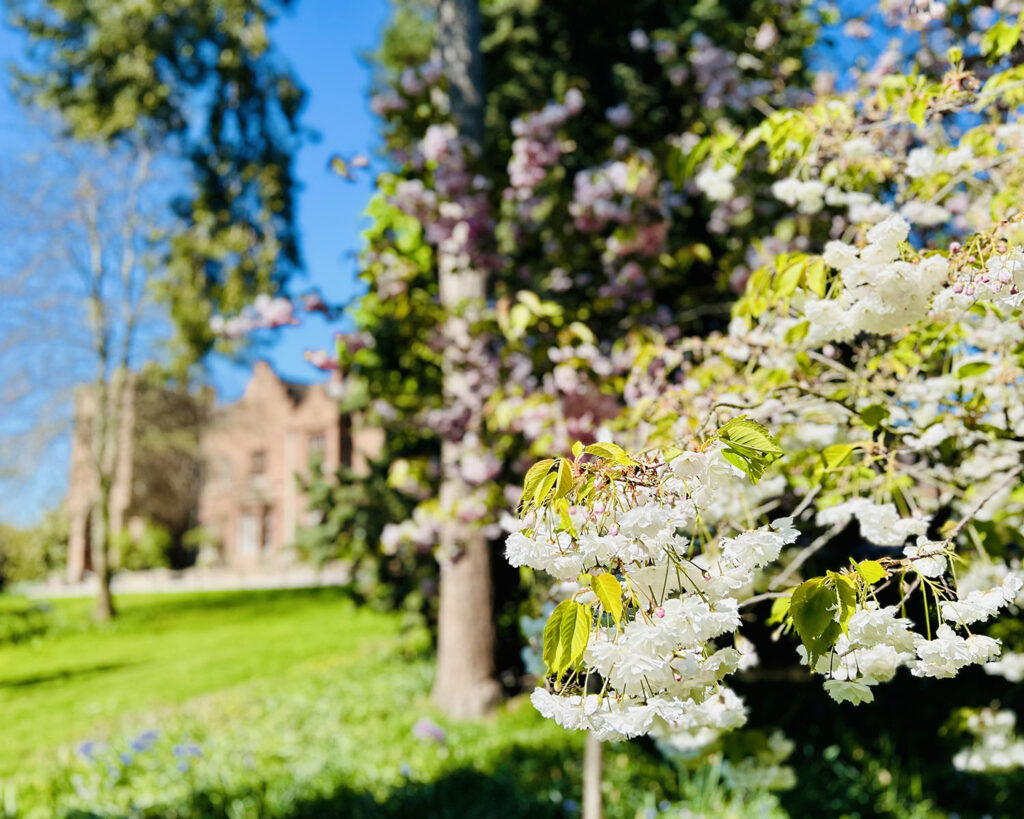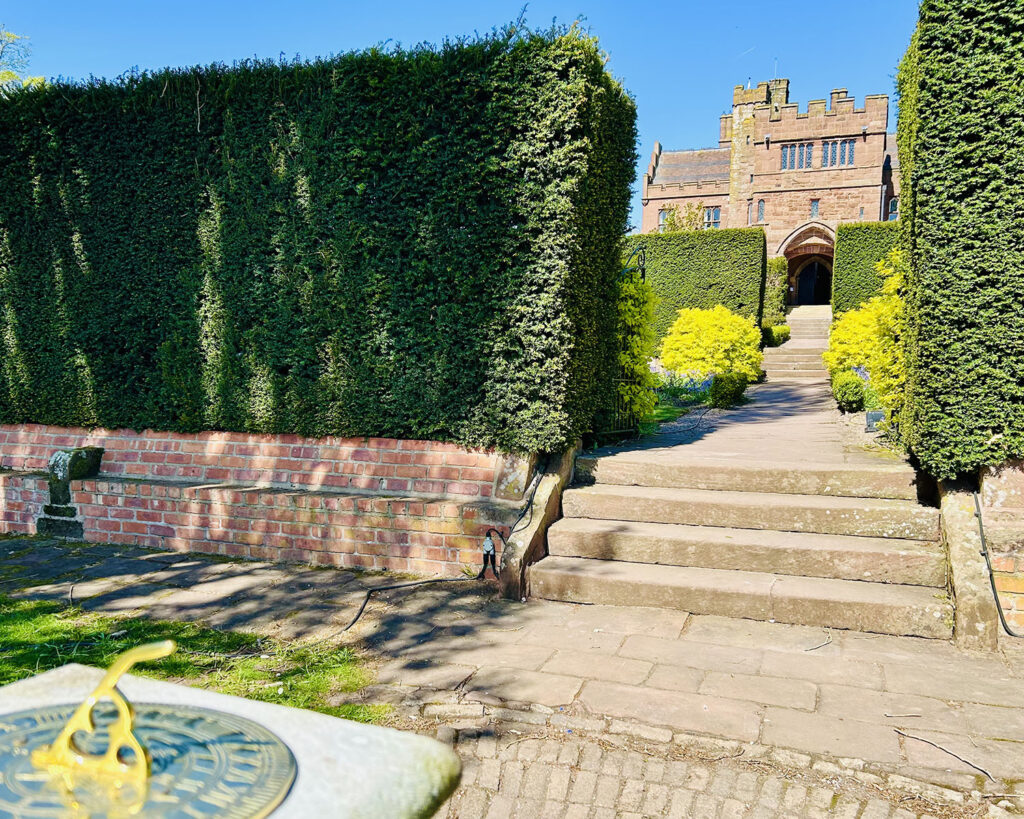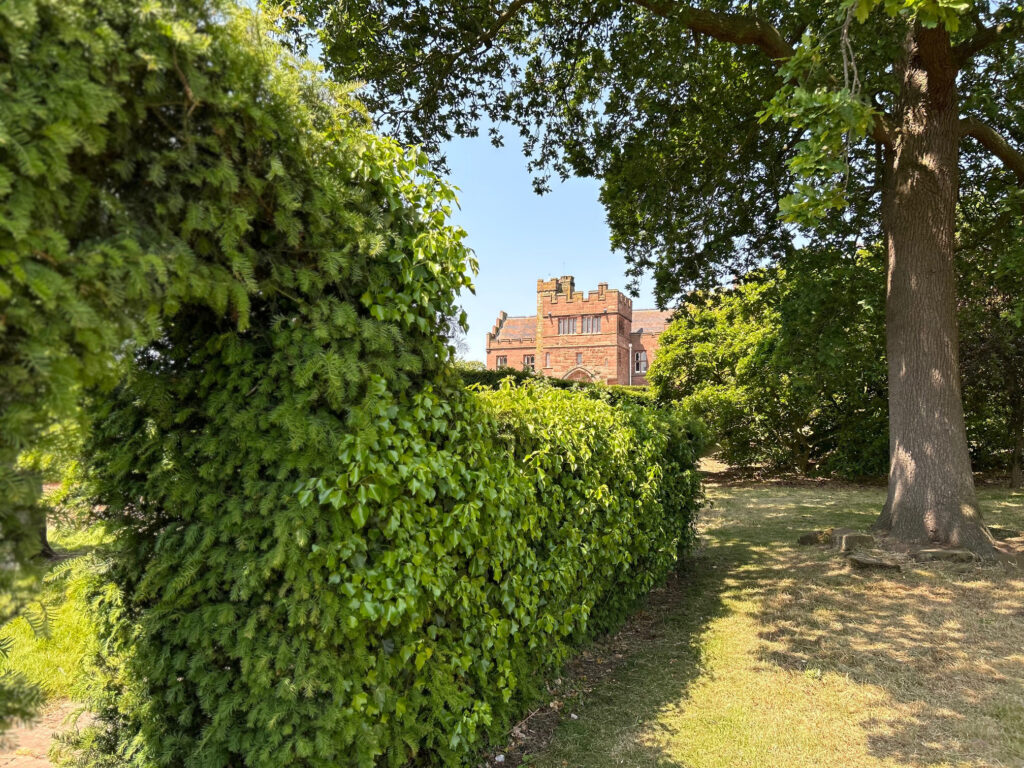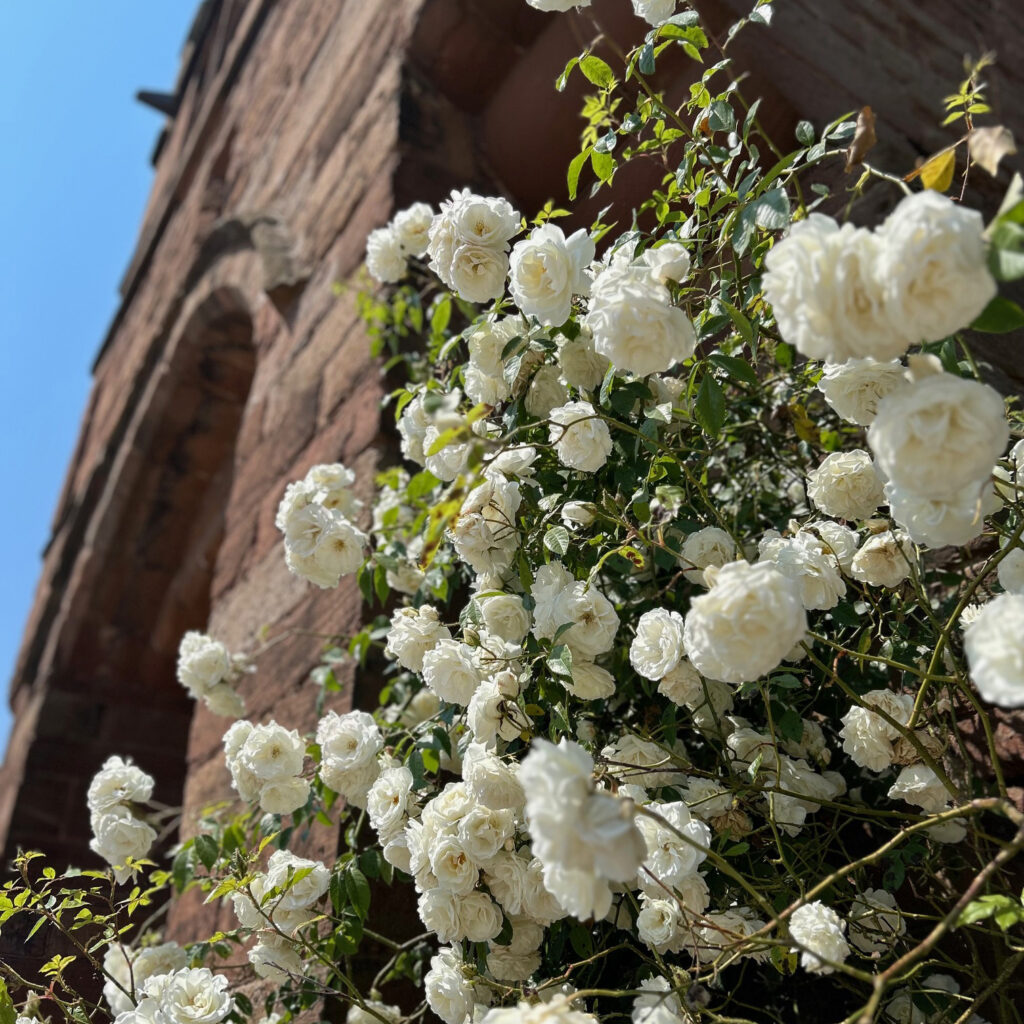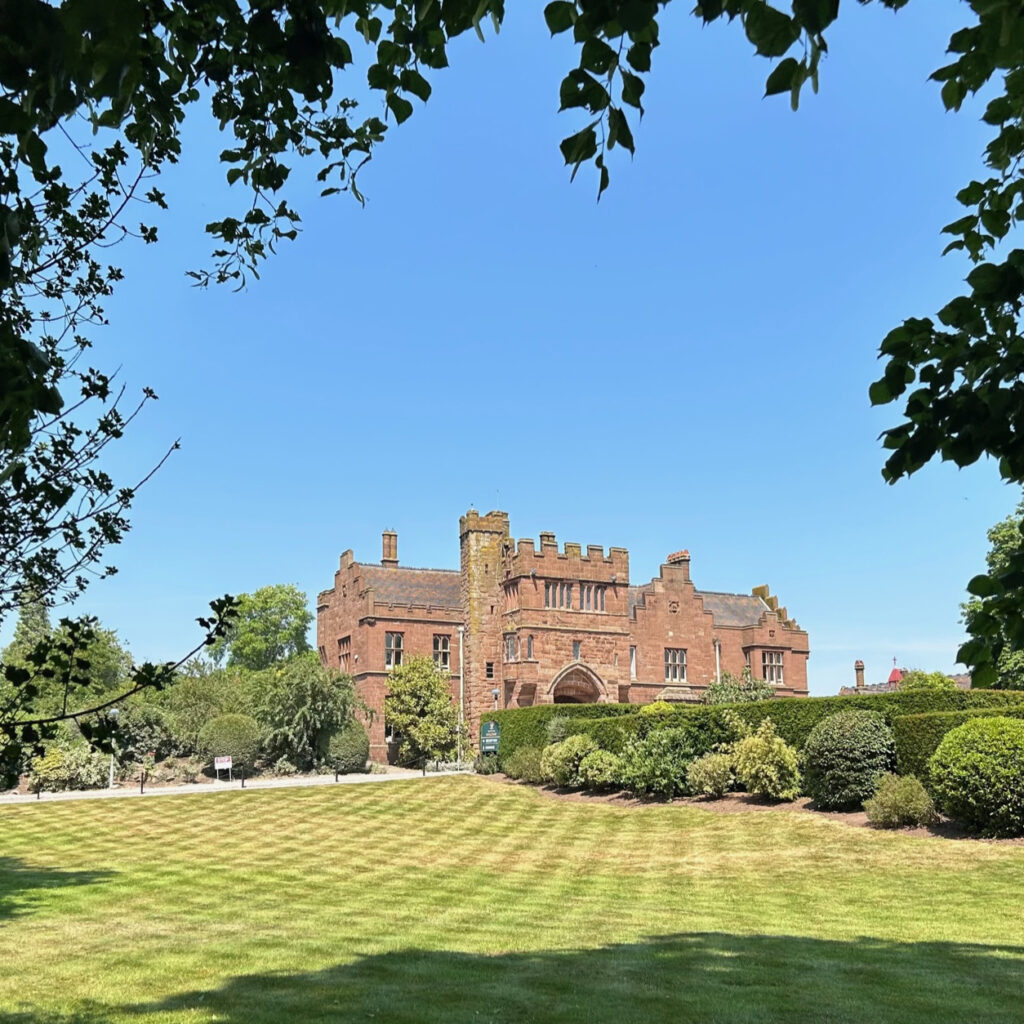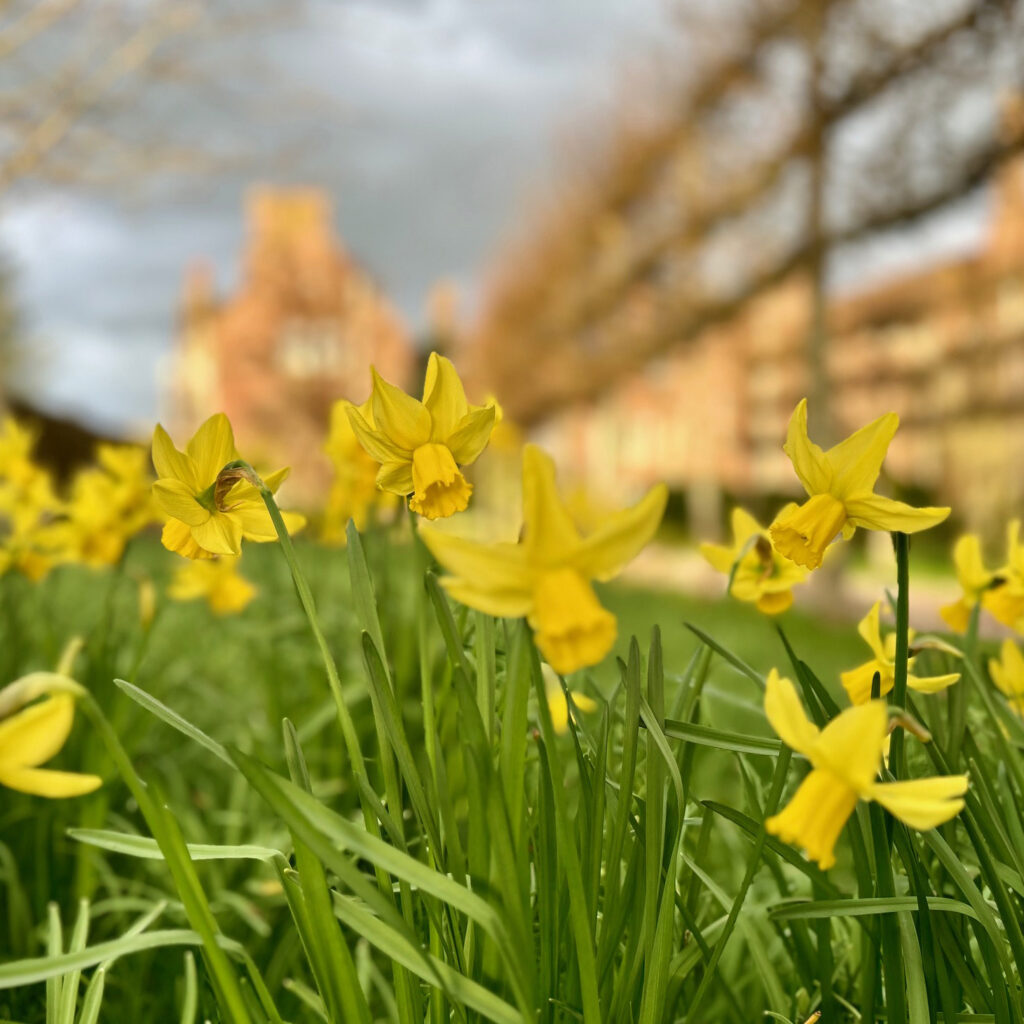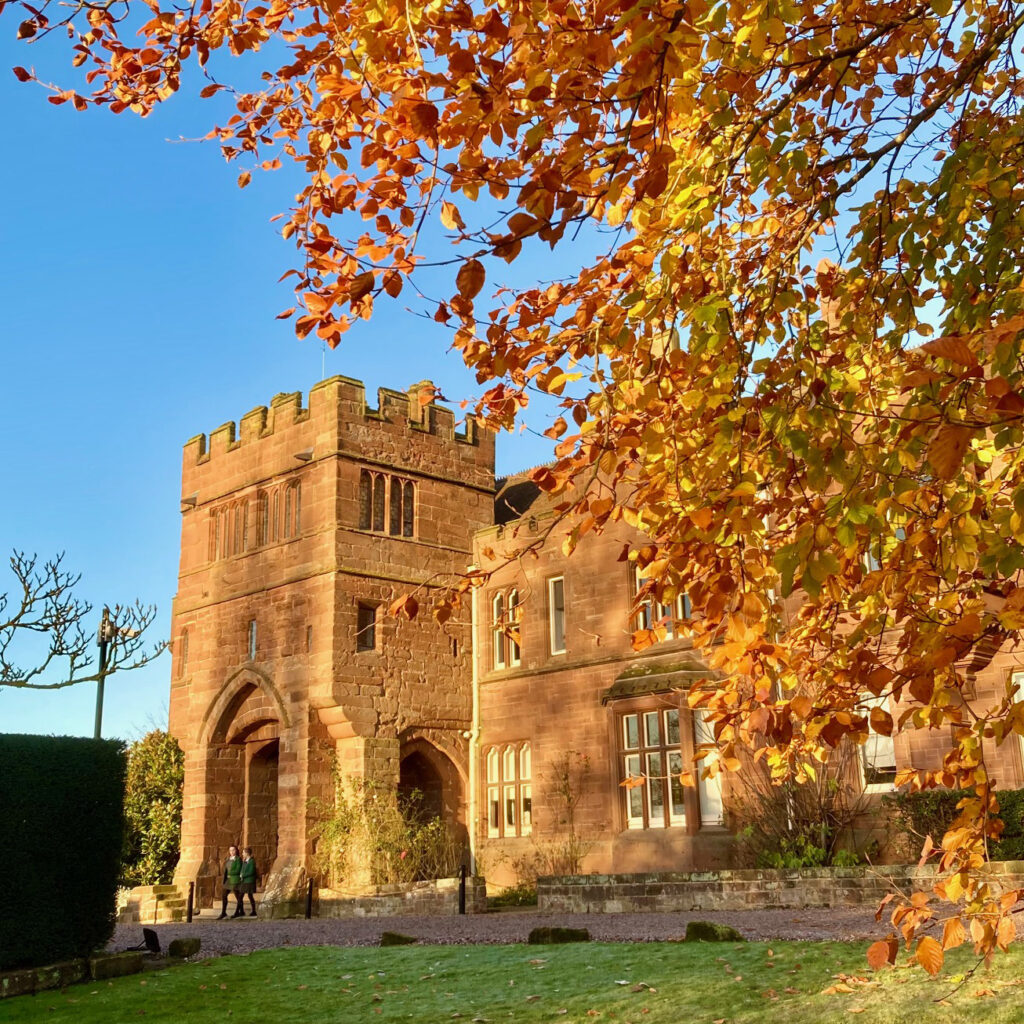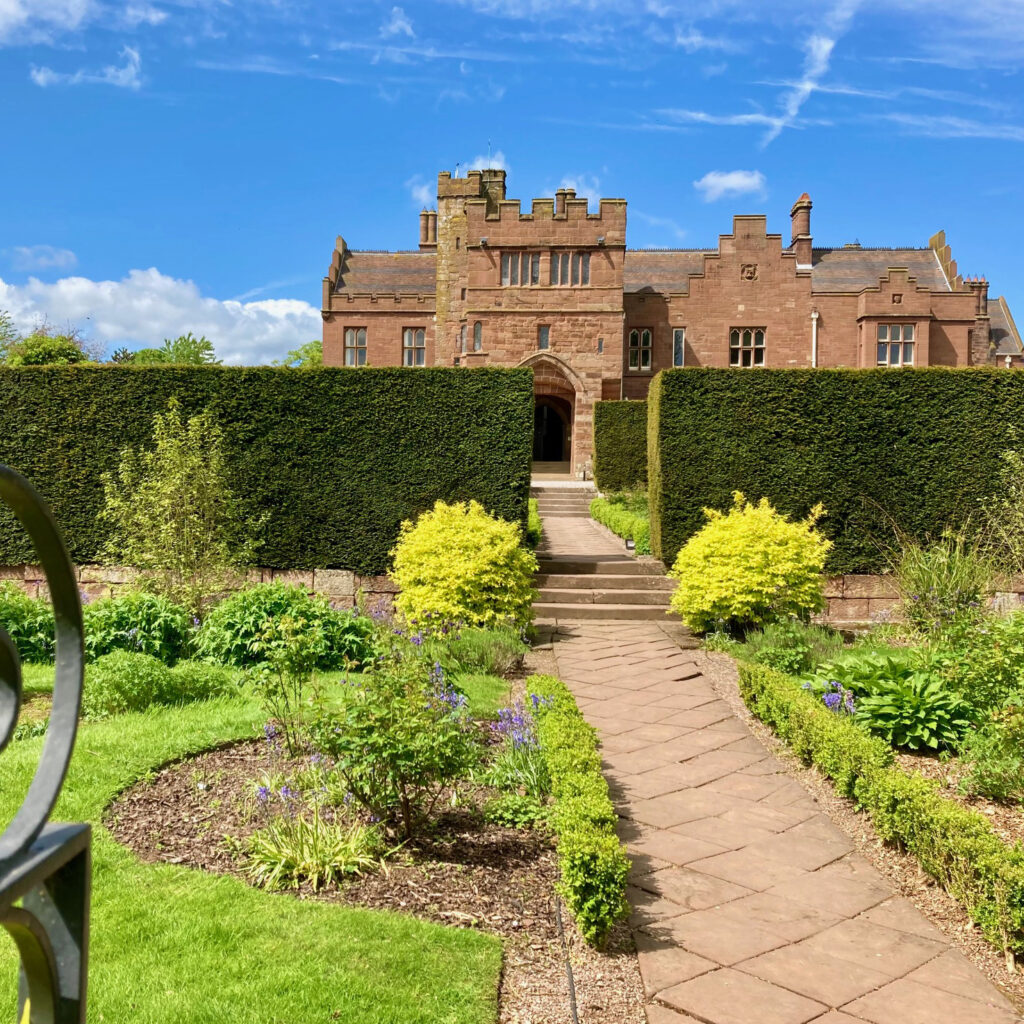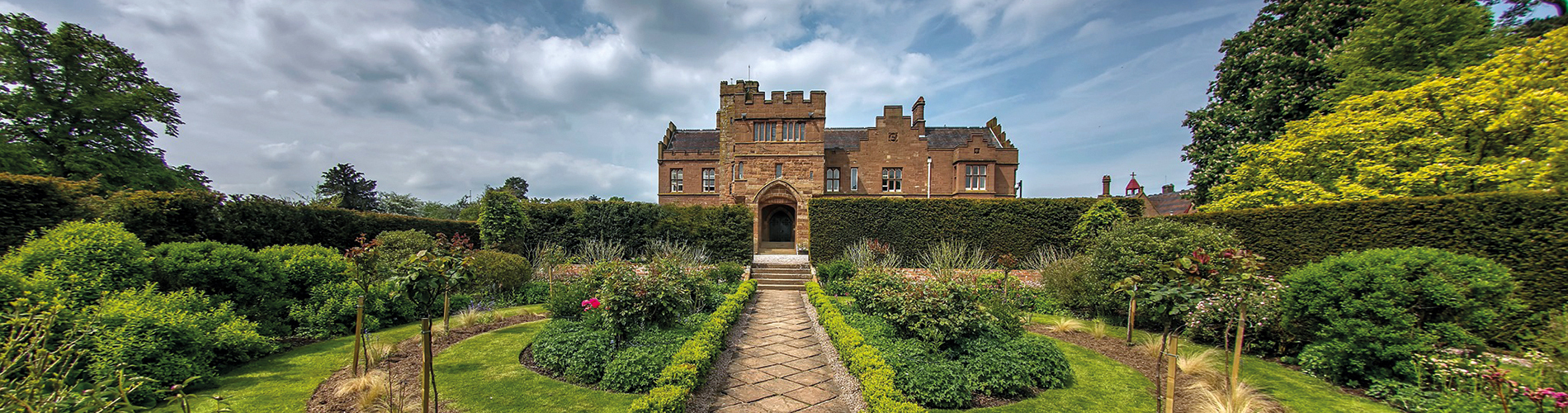
Nestled within the historic grounds of Abbey Gate College, the formal gardens of Saighton Grange offer a rare blend of heritage, beauty, and living tradition. Carefully designed and framed by clipped hedging, structured planting, and sweeping lawns, they remain one of the most distinctive and atmospheric features of the College estate.
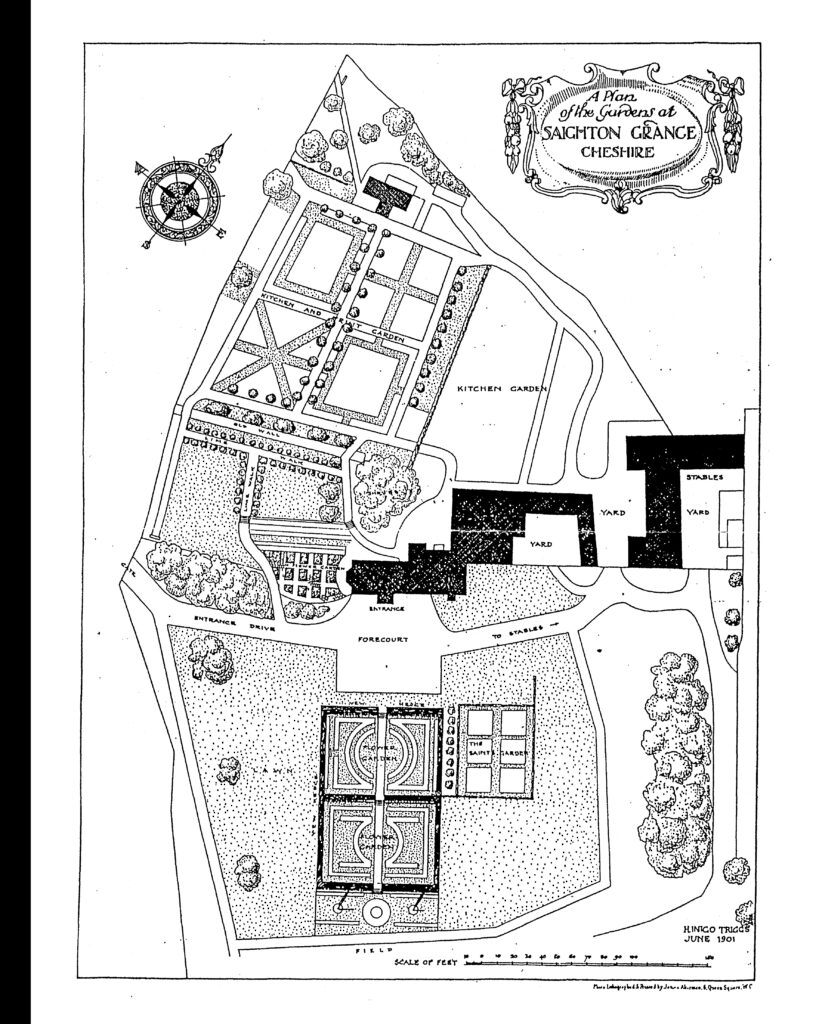
The story of Saighton Grange stretches back centuries, originally serving as a monastic grange linked to the Abbots of Chester before later transformation into a grand country house. The gardens as they are seen today were redesigned in the early 20th century, shaping a formal landscape that complements the architecture and historic fabric of the site.
During the First World War, the Grange and its grounds took on a quieter but deeply important role, offering a restorative setting for soldiers recovering from the physical and emotional toll of conflict. Within these peaceful surroundings, the gardens provided space for reflection, recovery, and a gradual return to wellbeing. That sense of calm purpose still seems to linger in the landscape today, lending the gardens a quiet dignity beyond their visual appeal.
In more recent times, the gardens have become an integral part of life at Abbey Gate College. They are used as a truly special setting for summer drama performances, where pupils bring stories to life against a backdrop that has witnessed centuries of change. There can be few stages more evocative than one framed by heritage planting and historic stonework on a warm summer evening.
Beyond performance and history, the gardens remain at the heart of the College community. They offer space to pause, reflect, and appreciate the enduring beauty of a carefully preserved landscape. Whether used for learning, creativity, or simply a quiet moment outdoors, they continue to enrich daily life for pupils and staff alike.
At Saighton Grange, the formal gardens are not simply a backdrop – they are a living link between past and present, where history, education, and natural beauty meet in quiet harmony.
The history of the gardens can be explored more thoroughly here: